I had a long-standing, very public, and frankly, slightly embarrassing feud with butternut squash. For years, I claimed to hate it. The stringy texture, the overly sweet, one-note flavor when roasted, the sheer intimidation of trying to cut one of those dense, rock-hard gourds in half. It felt like a vegetable designed to test your patience and your knife skills, and I wanted none of it. Then, last November, at a friendsgiving potluck I almost skipped, I found myself standing over a baking sheet, fork in hand, sneaking a third piece of a dish I swore I’d ignore. My neighbor, a quiet woman named Sarah who grows her own herbs, had brought it. “It’s just squash,” she said, catching me mid-chew. But it wasn’t. The edges were caramelized to a deep, sticky amber, and there were these little jewels of pomegranate scattered on top like someone had dropped a ruby necklace onto the pan. The maple syrup wasn’t cloying; it was savory, almost smoky, and the whole thing had this warmth that felt like a hug on a plate. I asked for the recipe, and she just shrugged. “It’s nothing.” But it was everything. Honestly, I’ve been making it every week since, and I’m still not over the fact that I was so wrong for so long. Maybe you’ve been there, stubbornly avoiding a food for years, only to find the one version that changes your whole mind. This is that version. This is the cozy maple roasted butternut squash with pomegranate seeds that finally, and I mean finally, made me a believer.
Why You’ll Love This Recipe
This isn’t just another roasted squash recipe. This is the one that gets requested for every holiday, every potluck, and every random Tuesday when you need a little extra comfort. It’s the kind of dish that makes people stop and ask, “What did you put in this?”
- Quick & Easy: With just 10 minutes of active prep, this comes together in under an hour. Perfect for busy weeknights or last-minute holiday side dishes.
- Simple Ingredients: No fancy grocery trips needed. You likely already have maple syrup and olive oil in your pantry.
- Perfect for Fall & Winter: This is the ultimate seasonal dish—great for Thanksgiving, Christmas, or a cozy Sunday dinner.
- Crowd-Pleaser: Even the pickiest eaters (and former squash-haters) go back for seconds.
- Unbelievably Delicious: The combination of sweet, sticky maple, savory roasted squash, and tart, juicy pomegranate is next-level comfort food.
What makes this recipe different from the rest? It’s all in the technique. Instead of just tossing the squash in oil and syrup, we roast it at a high temperature to get those deep, caramelized edges while keeping the inside tender and creamy. The pomegranate seeds are added at the very end, so they stay bright and pop with every bite. It’s a dish that feels special without any of the stress—the kind you can bring to a holiday table and watch disappear.
What Ingredients You Will Need
This recipe uses simple, wholesome ingredients to deliver bold flavor and satisfying texture without the fuss. Most items are pantry staples or easy to find at any grocery store, especially during the fall and winter months.
- 1 medium butternut squash (about 2-3 pounds), peeled, seeded, and cut into 1-inch cubes. Look for a squash with a long neck and a small bulb—it’s easier to cut and gives you more even pieces. I prefer buying pre-cut cubes from the store when I’m short on time, but fresh is always best.
- 3 tablespoons olive oil, for roasting. Use a good-quality extra virgin olive oil for the best flavor. It helps the squash get those perfect crispy edges.
- 3 tablespoons pure maple syrup. Not the pancake stuff—use the real, grade A or B maple syrup. It makes a huge difference in the depth of flavor. I recommend Maple Grove Farms or Trader Joe’s organic maple syrup for a rich, authentic taste.
- 1 teaspoon kosher salt, plus more to taste. Kosher salt is gentler and dissolves more evenly than table salt. If using table salt, reduce to ½ teaspoon.
- ½ teaspoon black pepper, freshly ground.
- ½ teaspoon ground cinnamon. This adds that cozy, warming spice that pairs perfectly with the maple. You can also use pumpkin pie spice for a more complex flavor.
- ¼ teaspoon cayenne pepper (optional). This is my secret ingredient—it adds a tiny, unexpected kick that balances the sweetness. Don’t skip it if you like a little heat!
- ½ cup fresh pomegranate seeds (about 1 pomegranate). These little gems add a burst of tartness and a beautiful pop of color. Look for seeds that are bright red and firm. You can also buy pre-packaged pomegranate seeds in the produce section.
- ¼ cup fresh parsley or cilantro, chopped (optional), for garnish. Adds a fresh, herby finish that cuts through the richness.
- ¼ cup crumbled feta cheese or goat cheese (optional). The salty, creamy cheese is a fantastic contrast to the sweet squash. Omit for a vegan version.
Equipment Needed
You don’t need any fancy gadgets for this recipe, which is part of its charm. Here’s what you’ll need:
- Large baking sheet (half-sheet pan). A rimmed baking sheet is best to catch any juices and prevent spills. I love my Nordic Ware half-sheet pans—they’re sturdy, rust-resistant, and heat evenly.
- Sharp chef’s knife. A good knife is essential for cutting through the tough butternut squash. A 8-inch chef’s knife works perfectly. If your knife is dull, it’s worth sharpening it first—it makes the job so much safer and easier.
- Vegetable peeler. A Y-shaped peeler is my go-to for removing the skin from squash. It’s faster and more efficient than a standard straight peeler.
- Large bowl, for tossing the squash with the oil and seasonings.
- Parchment paper or silicone baking mat. This prevents sticking and makes cleanup a breeze. I always use parchment paper for roasted vegetables.
- Measuring spoons and measuring cups.
- Serving platter, for presenting the finished dish.
Preparation Method
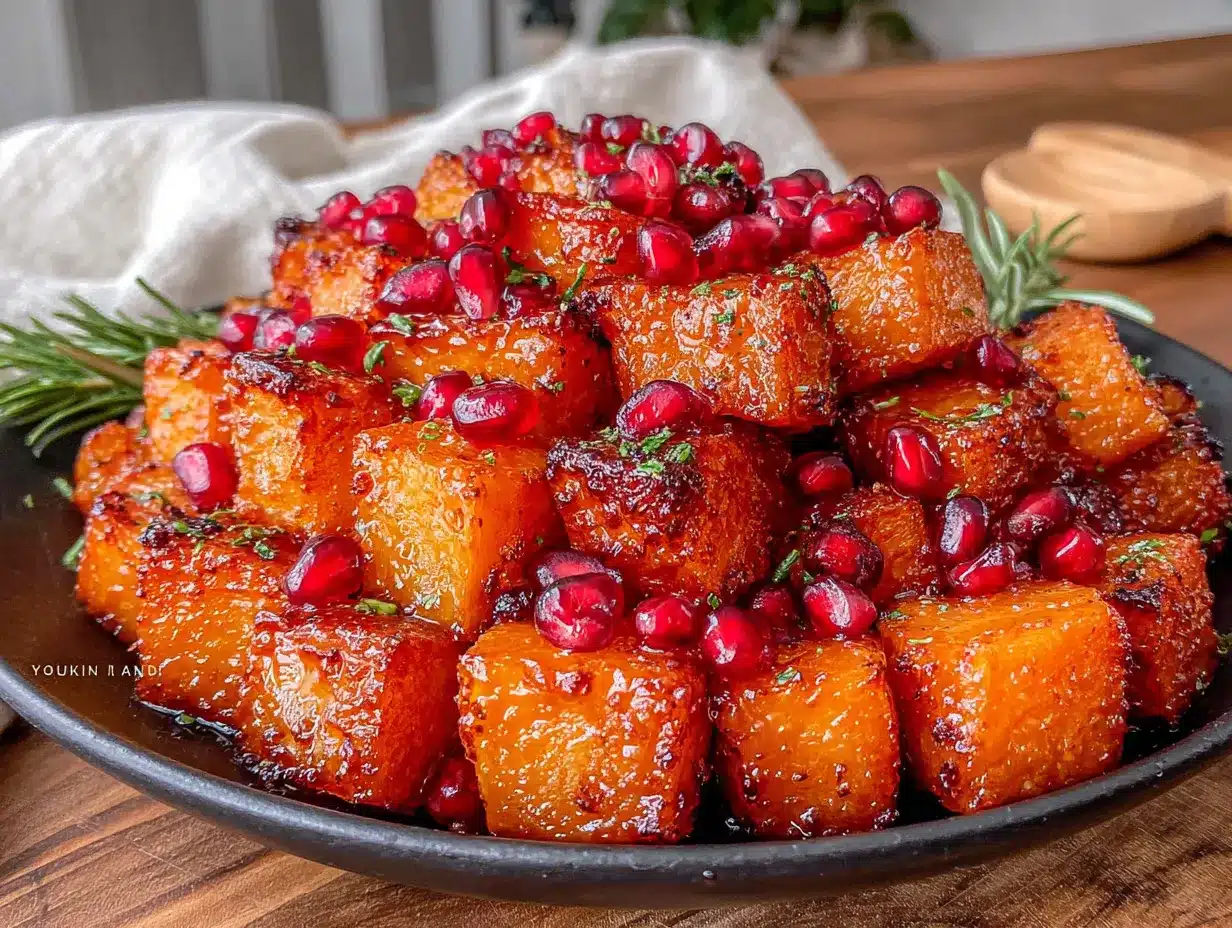
Let’s get roasting! This is one of those recipes where the oven does most of the work, but a few key steps make all the difference.
- Preheat your oven to 400°F (200°C). Getting the oven nice and hot is crucial for caramelization. While it’s heating, line your baking sheet with parchment paper or a silicone mat.
- Prep the butternut squash. Using your sharp chef’s knife, carefully cut off the top and bottom of the squash. Then, cut it in half where the narrow neck meets the round bulb. This makes it much easier to handle. Use your vegetable peeler to remove the tough skin from both pieces. Then, cut the neck into 1-inch thick rounds, and then into 1-inch cubes. For the bulb, scoop out the seeds and stringy bits with a spoon, then cut the flesh into similar-sized cubes. Aim for uniform pieces so they cook evenly.
- Season the squash. In your large bowl, combine the cubed squash, olive oil, maple syrup, kosher salt, black pepper, cinnamon, and cayenne (if using). Toss everything together with your hands or a spatula until every piece is evenly coated. Don’t be shy—make sure the seasoning gets into all the nooks and crannies.
- Arrange on the baking sheet. Spread the squash in a single, even layer on the prepared baking sheet. Make sure the pieces aren’t touching or overlapping. If they’re crowded, they’ll steam instead of roast, and you won’t get those beautiful caramelized edges. If necessary, use two baking sheets.
- Roast for 35-45 minutes. Place the baking sheet in the preheated oven and roast for 20 minutes. Then, remove the sheet from the oven and use a spatula to flip each piece of squash. This ensures even browning. Return to the oven and roast for another 15-25 minutes, or until the squash is tender when pierced with a fork and the edges are deep golden brown and slightly sticky. The exact time will depend on the size of your cubes and your oven.
- Add the pomegranate seeds. Once the squash is out of the oven, let it cool on the baking sheet for 2-3 minutes. Then, transfer it to your serving platter. Sprinkle the fresh pomegranate seeds evenly over the top. The heat from the squash will slightly warm the seeds, but they’ll stay bright and juicy.
- Garnish and serve. If using, sprinkle the chopped parsley or cilantro and crumbled feta or goat cheese over the top. Serve immediately while the squash is still warm. The combination of warm, sweet squash and cool, tart pomegranate is absolutely magical.
Cooking Tips & Techniques
I’ve made this dish more times than I can count, and I’ve learned a few things along the way. Here are my best tips for perfect results every time.
- Don’t skip the flipping. I know it’s tempting to just let the oven do its thing, but flipping the squash halfway through is non-negotiable. It ensures every piece gets that gorgeous caramelized crust. The first time I made this, I was lazy and skipped the flip. Half the squash was perfect, and the other half was pale and sad. Lesson learned.
- Watch the maple syrup. Maple syrup burns easily because of its high sugar content. If you notice the edges getting too dark before the squash is tender, you can cover the baking sheet loosely with foil for the last 10 minutes of roasting. This will prevent burning while allowing the inside to finish cooking.
- Use room temperature ingredients. If your maple syrup is cold from the fridge, it won’t coat the squash as evenly. Let it sit out for 10 minutes before using, or warm it slightly in the microwave (just 10-15 seconds).
- Make it ahead. You can roast the squash up to 2 days in advance. Let it cool completely, then store it in an airtight container in the refrigerator. When you’re ready to serve, reheat it in a 350°F (175°C) oven for 10-15 minutes, then add the pomegranate seeds and garnish. The flavors actually get even better after a day in the fridge!
- Multitask like a pro. While the squash is roasting, you can prep the pomegranate seeds, chop the herbs, and crumble the cheese. This makes the final assembly a breeze. I like to set out my serving platter and have everything ready to go so I can plate it the second the squash comes out of the oven.
Variations & Adaptations
This recipe is incredibly versatile. Here are some of my favorite ways to change it up.
- Savory Herb Version: Skip the cinnamon and cayenne. Instead, toss the squash with fresh rosemary, thyme, and a pinch of smoked paprika. The earthy herbs pair beautifully with the maple and pomegranate. I tried this for a Christmas dinner, and it was a huge hit.
- Spicy Maple Version: Love heat? Double the cayenne pepper or add a pinch of red pepper flakes. For an even bigger kick, drizzle a little sriracha or chili oil over the squash before roasting. The sweet-spicy combination is addictive.
- Vegan & Dairy-Free: This recipe is naturally vegan if you skip the feta or goat cheese. The pomegranate seeds and herbs add plenty of flavor on their own. For a creamy element, try a dollop of cashew cream or a sprinkle of nutritional yeast.
- Add Some Crunch: For a textural contrast, top the finished dish with toasted pecans, walnuts, or pepitas (pumpkin seeds). Toast them in a dry skillet over medium heat for 2-3 minutes until fragrant. Sprinkle them over the squash along with the pomegranate seeds.
- Make it a Meal: Turn this side dish into a main course by adding a protein. Serve the roasted squash over a bed of quinoa or farro, and top with grilled chicken, roasted chickpeas, or crumbled tempeh. It’s a hearty, satisfying bowl that’s perfect for lunch or dinner.
Serving & Storage Suggestions
This dish is best served warm, right out of the oven, but it’s also delicious at room temperature. The pomegranate seeds should be added just before serving to keep them from bleeding their color and becoming mushy.
- Serving Temperature: Serve warm or at room temperature. It’s a fantastic side dish for roasted turkey, baked ham, or a simple roast chicken. It also pairs beautifully with a lentil loaf or stuffed acorn squash for a vegetarian holiday meal.
- Complementary Dishes: This squash is a natural partner for rich, savory mains. Try it alongside a garlic herb roasted pork tenderloin or a creamy mushroom risotto. For a lighter meal, serve it with a crisp arugula salad dressed with a lemon vinaigrette.
- Storage: Store any leftovers in an airtight container in the refrigerator for up to 4 days. The pomegranate seeds will soften over time, so it’s best to add them fresh if you’re planning to eat the leftovers. The roasted squash itself keeps beautifully and can be used in other dishes, like salads or grain bowls.
- Reheating: To reheat, spread the squash on a baking sheet and warm it in a 350°F (175°C) oven for 5-10 minutes, or until heated through. You can also reheat it in a skillet over medium heat, stirring occasionally. Avoid the microwave, as it will make the squash soggy.
- Flavor Development: The flavors of this dish actually deepen and meld together after a day in the fridge. The maple and spices infuse the squash even more, making leftovers taste almost better than the first serving. Don’t be afraid to make it a day ahead!
Nutritional Information & Benefits
This dish is as good for you as it is delicious. Butternut squash is packed with vitamin A (from beta-carotene), vitamin C, potassium, and fiber. Pomegranate seeds are loaded with antioxidants, particularly punicalagins and anthocyanins, which are great for heart health.
| Nutrient | Amount Per Serving (1/6 of recipe) |
|---|---|
| Calories | 185 |
| Total Fat | 8g |
| Saturated Fat | 1g |
| Cholesterol | 0mg |
| Sodium | 390mg |
| Total Carbohydrates | 30g |
| Dietary Fiber | 5g |
| Sugars | 16g |
| Protein | 3g |
| Vitamin A | 350% DV |
| Vitamin C | 40% DV |
| Potassium | 15% DV |
Note: Nutritional values are estimates and may vary based on specific ingredients used.
This recipe is naturally gluten-free, dairy-free (if you skip the cheese), and can be made vegan. It’s also relatively low in calories for a side dish that feels so indulgent. The healthy fats from the olive oil help your body absorb the fat-soluble vitamins in the squash, making it a nutritionally balanced choice.
Conclusion
This cozy maple roasted butternut squash with pomegranate seeds is more than just a side dish—it’s a revelation. It’s the recipe that turned me from a squash skeptic into a full-blown enthusiast. The combination of sweet, sticky maple, tender roasted squash, and bright, tart pomegranate is pure magic. It’s the kind of dish that feels special enough for a holiday table but simple enough for a weeknight dinner. I love how versatile it is—you can dress it up with cheese and herbs or keep it simple with just the squash and pomegranate. I hope you give it a try and see for yourself why this recipe has become a staple in my kitchen. And when you do, I’d love to hear about it! Leave a comment below and let me know how it turned out, or share your own twist on the recipe. Happy cooking!
Frequently Asked Questions
Can I use frozen butternut squash for this recipe?
I don’t recommend it. Frozen squash has a much higher water content, which will make it steam instead of roast. You’ll end up with soggy squash instead of those beautiful caramelized edges. Stick with fresh for the best results.
How do I cut a butternut squash safely?
Start by cutting off the top and bottom to create flat, stable surfaces. Then, cut the squash in half where the narrow neck meets the round bulb. Use a sharp chef’s knife and a stable cutting board. If the squash is very hard, you can microwave it whole for 2-3 minutes to soften it slightly before cutting.
Can I make this recipe without maple syrup?
Absolutely! You can substitute honey, agave nectar, or brown sugar (about 2 tablespoons, dissolved in the olive oil). The flavor will change slightly, but it will still be delicious. For a sugar-free option, try using a monk fruit sweetener or a sugar-free maple syrup alternative.
How do I deseed a pomegranate without making a mess?
The easiest method is to cut the pomegranate in half horizontally, hold it cut-side down over a bowl, and whack the back of it firmly with a wooden spoon. The seeds will fall right out! Do this in the sink to contain any stray juice splatters. It’s surprisingly satisfying.
Can I add other vegetables to this dish?
Yes! This recipe works beautifully with other root vegetables. Try adding cubed sweet potatoes, carrots, parsnips, or even Brussels sprouts. Just make sure to cut them into similar-sized pieces so they cook evenly. You may need to adjust the roasting time slightly depending on the vegetables you choose.
Pin This Recipe!
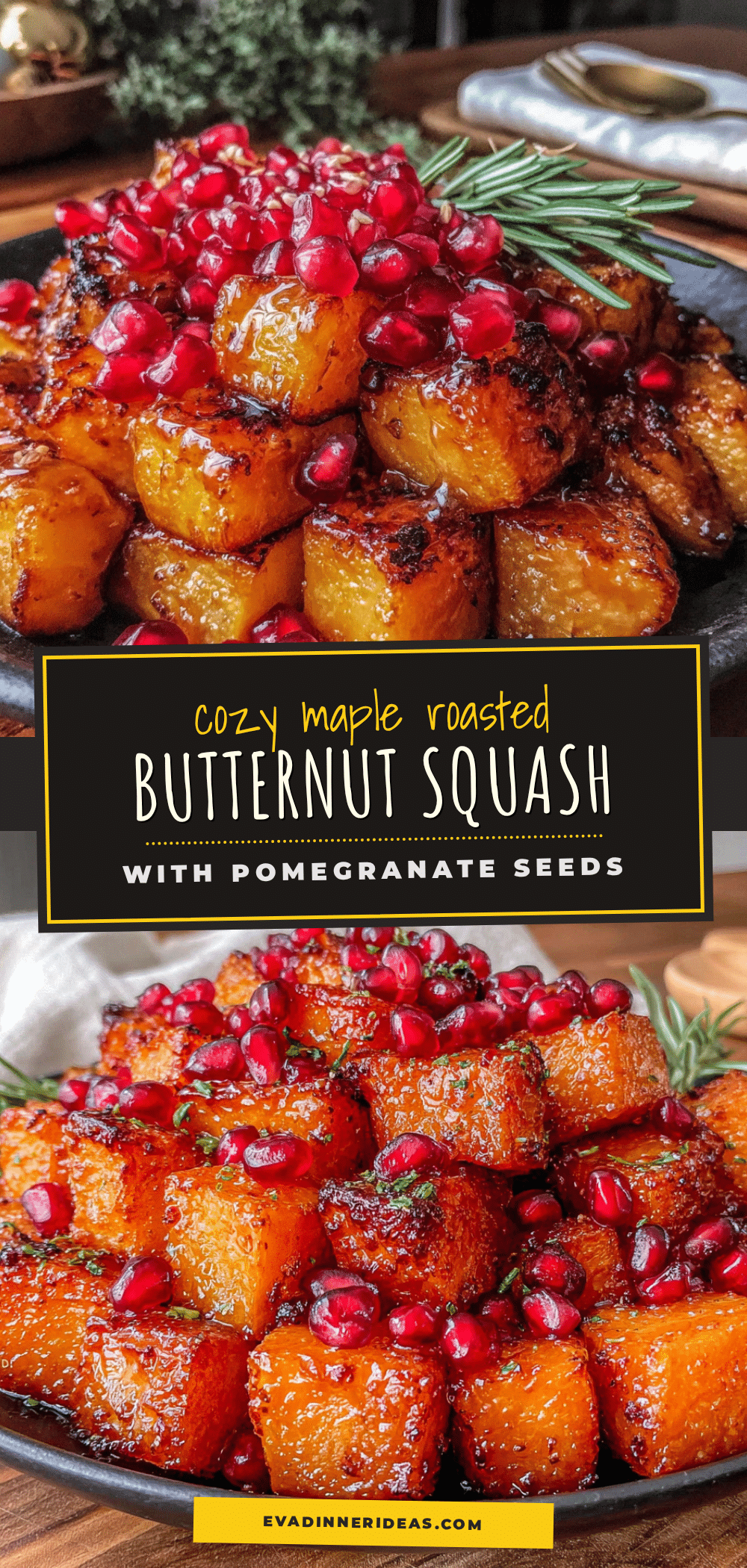
Easy Maple Roasted Butternut Squash with Pomegranate
This isn’t just another roasted squash recipe. This is the one that gets requested for every holiday, every potluck, and every random Tuesday when you need a little extra comfort. The combination of sweet, sticky maple, savory roasted squash, and tart, juicy pomegranate is next-level comfort food.
- Prep Time: 10 minutes
- Cook Time: 35-45 minutes
- Total Time: 45-55 minutes
- Yield: 6 servings 1x
- Category: Side Dish
- Cuisine: American
Ingredients
- 1 medium butternut squash (about 2–3 pounds), peeled, seeded, and cut into 1-inch cubes
- 3 tablespoons olive oil
- 3 tablespoons pure maple syrup
- 1 teaspoon kosher salt, plus more to taste
- ½ teaspoon black pepper, freshly ground
- ½ teaspoon ground cinnamon
- ¼ teaspoon cayenne pepper (optional)
- ½ cup fresh pomegranate seeds (about 1 pomegranate)
- ¼ cup fresh parsley or cilantro, chopped (optional), for garnish
- ¼ cup crumbled feta cheese or goat cheese (optional)
Instructions
- Preheat your oven to 400°F (200°C). Line your baking sheet with parchment paper or a silicone mat.
- Prep the butternut squash: Using your sharp chef’s knife, carefully cut off the top and bottom of the squash. Then, cut it in half where the narrow neck meets the round bulb. Use your vegetable peeler to remove the tough skin from both pieces. Then, cut the neck into 1-inch thick rounds, and then into 1-inch cubes. For the bulb, scoop out the seeds and stringy bits with a spoon, then cut the flesh into similar-sized cubes.
- Season the squash: In your large bowl, combine the cubed squash, olive oil, maple syrup, kosher salt, black pepper, cinnamon, and cayenne (if using). Toss everything together until every piece is evenly coated.
- Arrange on the baking sheet: Spread the squash in a single, even layer on the prepared baking sheet. Make sure the pieces aren’t touching or overlapping.
- Roast for 35-45 minutes: Place the baking sheet in the preheated oven and roast for 20 minutes. Then, remove the sheet from the oven and flip each piece of squash. Return to the oven and roast for another 15-25 minutes, or until the squash is tender when pierced with a fork and the edges are deep golden brown and slightly sticky.
- Add the pomegranate seeds: Once the squash is out of the oven, let it cool on the baking sheet for 2-3 minutes. Then, transfer it to your serving platter. Sprinkle the fresh pomegranate seeds evenly over the top.
- Garnish and serve: If using, sprinkle the chopped parsley or cilantro and crumbled feta or goat cheese over the top. Serve immediately while the squash is still warm.
Notes
Don’t skip flipping the squash halfway through roasting for even caramelization. Watch the maple syrup as it can burn easily; if edges get too dark, cover loosely with foil for the last 10 minutes. Use room temperature maple syrup for even coating. Can be made ahead: roast squash up to 2 days in advance, reheat in 350°F oven for 10-15 minutes, then add pomegranate seeds and garnish. For a savory herb version, skip cinnamon and cayenne and use fresh rosemary, thyme, and smoked paprika. For a spicy version, double the cayenne or add red pepper flakes. Add toasted pecans, walnuts, or pepitas for crunch. Serve over quinoa or farro with protein for a main course.
Nutrition
- Serving Size: 1/6 of recipe
- Calories: 185
- Sugar: 16
- Sodium: 390
- Fat: 8
- Saturated Fat: 1
- Carbohydrates: 30
- Fiber: 5
- Protein: 3
Keywords: maple roasted butternut squash, roasted butternut squash with pomegranate, easy butternut squash recipe, holiday side dish, fall side dish, winter side dish, vegetarian side dish, gluten-free side dish