Maggie wasn’t making a big deal of it. I’d stopped by to drop off a book I’d borrowed, and the smell hit me before I even got through the back door. It was that warm, slightly tangy scent of baking bread mixed with something floral and almost spicy. I stood there in her mudroom for a second, just breathing it in, while she called out from the kitchen, “Don’t mind the mess, I’m just throwing something together.”
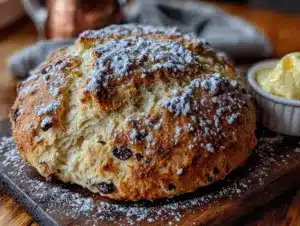
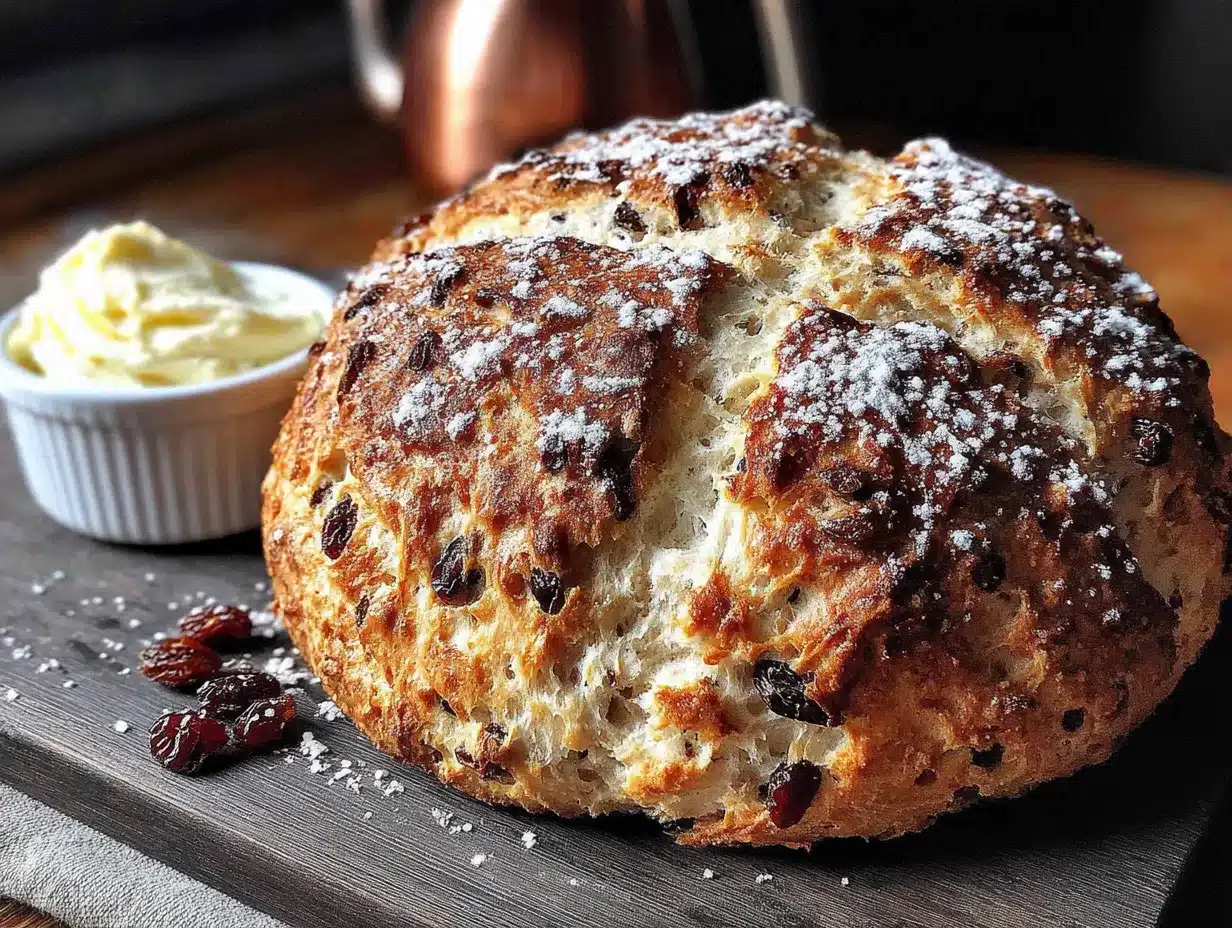
Throwing something together. That’s what she called it. When I finally got to the kitchen, she was pulling a round, golden loaf from the oven, and it was the most casual thing in the world. She set it on a wire rack, dusted the top with a little flour, and said, “It’s just soda bread. My grandmother’s recipe. It’s nothing fancy.” But the way that loaf looked, with its craggy top and the little speckles of caraway and dark raisin peeking through the crust, I knew she was wrong. It was everything fancy, in the best possible way.
I’ve made a lot of bread in my time. I mean, a lot. I’ve wrestled with sourdough starters that had names and personalities. I’ve spent whole afternoons kneading enriched doughs for brioche. But watching Maggie that day reminded me of something I’d almost forgotten. Sometimes the best bread isn’t the one you labor over for hours. Sometimes it’s the one you can mix in a single bowl, bake in under an hour, and serve with a generous slab of butter. It’s the kind of bread that feels like a secret, a little piece of magic you can pull off on a Tuesday afternoon. And honestly, maybe you’ve been there, standing in someone else’s kitchen, watching them do something so simple and realizing it’s actually kind of brilliant.
Why You’ll Love This Recipe
Let’s face it, we don’t always have time for a long, involved bread project. This Irish soda bread is the answer to that problem. It’s the kind of recipe that makes you feel like a hero with almost no effort. I’ve tested this version countless times, tweaking the ratios until the texture is just right, and I can honestly say it’s foolproof. It’s become my go-to for last-minute guests, cozy Sunday mornings, or just because I want the house to smell amazing.
- Quick & Easy: From mixing bowl to oven in about 10 minutes. No kneading, no rising, no fuss. It’s ready to eat in under an hour.
- Simple Ingredients: You probably already have everything you need. Flour, baking soda, buttermilk, butter, a little sugar, and the star players: raisins and caraway seeds.
- Perfect for Any Occasion: It’s equally at home alongside a bowl of hearty soup, slathered with jam for breakfast, or served as a simple dessert with a cup of tea.
- Crowd-Pleaser: The combination of sweet raisins and aromatic caraway is a classic for a reason. Everyone from kids to grandparents loves this bread.
- Unbelievably Delicious: The crust is crisp and golden, while the inside is tender, soft, and studded with pockets of fruit and fragrant seeds. It’s pure comfort.
This recipe isn’t just good—it is the kind that makes you close your eyes after the first bite. The tangy buttermilk, the subtle sweetness, the little pop of caraway. It’s comfort food in its purest form, and it’s so much more than the sum of its simple parts. It’s the bread you’ll make when you want to feel connected to something warm and timeless.
What Ingredients You Will Need
This recipe uses simple, straightforward ingredients to create something truly special. The magic is in the chemistry, not the complexity. Here is everything you will need to make this cozy classic.
- All-Purpose Flour: 4 cups (500g). This gives the bread its structure. I don’t recommend using bread flour here, as it can make the loaf a bit tough. A standard all-purpose flour is perfect. I usually use King Arthur Flour for its consistent protein content.
- Granulated Sugar: 3 tablespoons (38g). This adds a touch of sweetness to balance the tangy buttermilk and the earthy caraway. It also helps the crust brown beautifully.
- Baking Soda: 1 teaspoon. This is the key leavening agent. It reacts with the acid in the buttermilk to create carbon dioxide, which makes the bread rise. Make sure your baking soda is fresh for the best lift.
- Salt: 1 teaspoon. Salt is crucial for flavor. It doesn’t just make things salty; it enhances all the other flavors in the bread.
- Cold Unsalted Butter: 4 tablespoons (57g), cut into small cubes. The butter is cut into the flour, creating little pockets of fat that result in a tender crumb. Using cold butter is important for the right texture.
- Buttermilk: 1 ¾ cups (420ml), cold. This is the liquid and the acid. If you don’t have buttermilk, you can make a quick substitute by adding 1 tablespoon of lemon juice or white vinegar to a measuring cup and then filling it with milk to the 1 ¾ cup line. Let it sit for 5 minutes before using.
- Caraway Seeds: 1 ½ tablespoons. These little seeds are the soul of this bread. They have a slightly anise-like, earthy flavor that is unmistakable and pairs perfectly with the raisins. I get my caraway seeds from the bulk section at my local co-op.
- Raisins: 1 cup (150g). I like to use a mix of golden and dark raisins for a more complex sweetness and color. Make sure they are plump and moist. If your raisins are a bit dry, you can soak them in hot water for 10 minutes, then drain them well before adding.
- Optional for Brushing: 1 tablespoon of melted butter, for brushing on the warm loaf. It adds a lovely sheen and a little extra richness to the crust.
Equipment Needed
You don’t need any fancy gadgets for this bread, which is part of its charm. Here is what you will need.
- Large Mixing Bowl: A good-sized bowl is essential for mixing the dry ingredients and cutting in the butter.
- Whisk: For combining the dry ingredients evenly.
- Pastry Blender or Two Forks: To cut the cold butter into the flour. You can also use your fingertips, but work quickly so the butter doesn’t warm up too much. I’ve used a pastry blender for years and it makes the job so easy.
- Wooden Spoon or Rubber Spatula: For mixing the wet and dry ingredients together.
- Baking Sheet: A standard half-sheet pan works perfectly. You can line it with parchment paper for easy cleanup.
- Sharp Knife or Bench Scraper: To score the top of the loaf before baking. This is important for the bread to expand properly.
- Wire Rack: For cooling the bread after baking, which prevents the bottom from getting soggy.
Preparation Method
This is where the magic happens. It’s incredibly straightforward, but there are a few little tricks I’ve learned along the way to ensure perfect results every time.
- Preheat and Prep: First, preheat your oven to 425°F (220°C). Place a rack in the middle of the oven. Line your baking sheet with parchment paper. Getting the oven nice and hot from the start is key for a good rise.
- Mix the Dry Ingredients: In your large mixing bowl, whisk together the 4 cups of all-purpose flour, 3 tablespoons of sugar, 1 teaspoon of baking soda, and 1 teaspoon of salt. Make sure everything is evenly distributed. I like to whisk it for a good 20 seconds to aerate the flour a bit.
- Cut in the Butter: Add the cold, cubed butter to the flour mixture. Using a pastry blender or two forks, cut the butter into the flour until the mixture looks like coarse crumbs with some pea-sized butter pieces still visible. Don’t overdo it. Those little bits of butter are what create a tender, flaky texture. If you’re using your fingers, work quickly so the butter doesn’t melt.
- Add the Flavor: Stir in the 1 ½ tablespoons of caraway seeds and the 1 cup of raisins. Make sure they are evenly distributed throughout the flour mixture. I love this moment, when the kitchen starts to smell faintly of caraway.
- Make a Well and Add Buttermilk: Make a well in the center of the flour mixture. Pour in the 1 ¾ cups of cold buttermilk all at once. Using a wooden spoon or a rubber spatula, stir the mixture together just until it forms a shaggy, sticky dough. Do not overmix. Overmixing will develop the gluten and make the bread tough. It’s okay if there are a few dry spots.
- Shape the Dough: Turn the dough out onto a lightly floured surface. With floured hands, gently bring the dough together into a rough ball. It will be sticky, and that’s exactly right. Do not knead it. Just shape it gently into a round, about 6 to 7 inches in diameter. The less you handle it, the more tender it will be.
- Transfer and Score: Place the dough round onto your prepared baking sheet. Using a sharp knife or a bench scraper, cut a deep “X” across the top of the loaf. The cuts should go about halfway down the sides. This is the classic soda bread shape. This “X” is not just for looks; it helps the bread bake evenly and allows the center to cook through properly. It’s sometimes called “blessing the bread.”
- Bake to Golden Perfection: Place the baking sheet in the preheated oven and bake for 35 to 45 minutes. The bread is done when it is deep golden brown and sounds hollow when you tap the bottom. If you have an instant-read thermometer, the internal temperature should be around 190°F (88°C).
- Cool and Enjoy: Transfer the bread to a wire rack. If you like, brush the warm loaf with the optional melted butter. Let it cool for at least 20 to 30 minutes before slicing. This resting time allows the crumb to set. If you slice it too soon, it will be gummy. I know it’s hard to wait, but trust me on this one.
Cooking Tips & Techniques
Over the years, I’ve made this bread more times than I can count, and I’ve learned a few things the hard way. Here are my best tips for getting it perfect every time.
- Don’t Overmix: This is the most important rule. Mix the dough just until it comes together. A few streaks of flour are fine. Overmixing develops the gluten, and you’ll end up with a tough, dense loaf instead of a light, tender one.
- Cold Ingredients are Key: Use cold butter and cold buttermilk. This helps keep the butter in solid pieces, which creates steam pockets during baking and results in a more tender crumb. I once used room-temperature butter in a hurry, and the bread was noticeably denser.
- Score Deeply: Don’t be shy with that “X.” A shallow score won’t allow the bread to expand properly, and it can crack on the sides. A deep cut ensures a beautiful, even rise and a classic look.
- Check for Doneness: The hollow-sound test is reliable, but if you want to be sure, use a thermometer. It’s saved me from underbaked bread more than once. The center should be fully cooked, not doughy.
- Let it Cool: I know the smell is intoxicating, but cutting into warm soda bread can make it gummy. Patience pays off. Let it rest on the wire rack. The texture will be so much better.
Variations & Adaptations
This recipe is a wonderful canvas for your own creativity. Here are a few ways I’ve adapted it over the years, and they have all been winners.
- Seedy Soda Bread: If you’re not a fan of caraway, or you want to try something different, you can swap the caraway seeds for an equal amount of fennel seeds or poppy seeds. Fennel gives a sweeter, more delicate anise flavor, while poppy seeds add a lovely nuttiness and crunch.
- Dried Fruit Medley: Instead of just raisins, try using a mix of dried cranberries, chopped dried apricots, and golden raisins. The tartness of the cranberries is a fantastic counterpoint to the sweet, tangy dough. I made this version for Thanksgiving one year, and it was gone in minutes.
- Savory Soda Bread: For a savory twist, leave out the sugar and raisins. Add 1 cup of shredded sharp cheddar cheese, 2 tablespoons of fresh chopped rosemary, and a pinch of black pepper to the dry ingredients. This version is incredible served alongside a bowl of tomato soup or a hearty stew.
- Gluten-Free Adaptation: You can make a decent gluten-free version by using a good quality 1-to-1 gluten-free flour blend that contains xanthan gum. The texture will be a bit more crumbly, but the flavor is still wonderful. Just be careful not to overmix the dough.
Serving & Storage Suggestions
This bread is incredibly versatile, and how you serve it can change the whole experience. Here are my favorite ways to enjoy it.
- Serving: Serve the bread warm or at room temperature. It’s absolutely delicious on its own, but it really shines with a generous spread of good salted butter. It’s also wonderful with a dollop of clotted cream and some jam for a truly indulgent treat. For a savory pairing, it’s the perfect companion for a bowl of creamy potato soup or a rich beef stew.
- Storage: Store leftover soda bread wrapped tightly in plastic wrap or in an airtight container at room temperature. It will stay fresh for up to 2 days. The crust will soften a bit, but it will still be delicious.
- Freezing: This bread freezes beautifully. Wrap the completely cooled loaf tightly in plastic wrap, then in a layer of aluminum foil. It will keep well in the freezer for up to 3 months. To thaw, let it sit at room temperature for a few hours, or pop slices in the toaster.
- Reheating: The best way to revive day-old soda bread is to toast it. A slice popped in the toaster or under the broiler for a minute brings back the crisp crust and warms the tender interior. It’s even better the next day for breakfast!
Nutritional Information & Benefits
While this is definitely a treat, it does have some redeeming qualities. Here is a rough estimate of the nutritional information per serving (based on 12 slices).
- Calories: Approximately 280 per slice.
- Fat: 6g
- Carbohydrates: 50g
- Fiber: 2g
- Sugar: 14g
- Protein: 6g
The buttermilk provides calcium and probiotics, which are good for gut health. The raisins offer a source of natural sugars and fiber, while the caraway seeds have been traditionally used to aid digestion. This bread is a wonderful way to enjoy a classic comfort food that, in moderation, can be part of a balanced diet. It’s a far cry from the processed, preservative-laden bread you find at the store.
Conclusion
This classic Irish soda bread with raisins and caraway is more than just a recipe. It’s a little piece of warmth and history you can create in your own kitchen. It’s the smell that welcomes people home, the taste that reminds you of simpler times, and the kind of food that makes you feel taken care of. I love how forgiving it is, how it doesn’t demand perfection, and how it always, always delivers on flavor.
I really hope you give this one a try. Don’t be afraid to make it your own, whether that means adding extra raisins, swapping in a different seed, or slathering it with your favorite jam. Let me know how it turns out for you in the comments below! Share a photo of your beautiful loaf, and tell me what you served it with. I can’t wait to hear about your cozy baking adventure.
Frequently Asked Questions
Can I use whole wheat flour instead of all-purpose?
You can substitute up to half of the all-purpose flour with whole wheat flour for a nuttier flavor and denser texture. If you use all whole wheat, the bread will be much heavier and may not rise as well. I recommend starting with a 50/50 blend.
My dough is too sticky. What did I do wrong?
A sticky dough is actually what you want for soda bread! It should be shaggy and a bit tacky. Resist the urge to add more flour. If it’s so wet that it’s impossible to shape, you may have measured your buttermilk incorrectly. Next time, spoon your flour into the measuring cup and level it off, rather than scooping directly from the bag.
Can I make this bread dairy-free?
Yes, you can! Use a dairy-free butter substitute (make sure it’s cold) and replace the buttermilk with a mixture of 1 ¾ cups of unsweetened almond or oat milk mixed with 1 tablespoon of lemon juice or apple cider vinegar. Let it sit for 5 minutes to curdle before using.
Why did my bread crack on the sides instead of the top?
This usually happens when the “X” on top isn’t cut deep enough. The bread needs a weak spot to expand, and if the score is too shallow, it will find another place to burst. Next time, don’t be shy—cut at least halfway down the sides of the loaf.
Can I add other mix-ins like chocolate chips or nuts?
Absolutely! You can replace the raisins with up to 1 cup of chocolate chips, chopped nuts, or other dried fruit. Just keep the total amount of mix-ins around 1 cup so the dough structure remains balanced. Chopped walnuts or pecans are a fantastic addition.
Pin This Recipe!
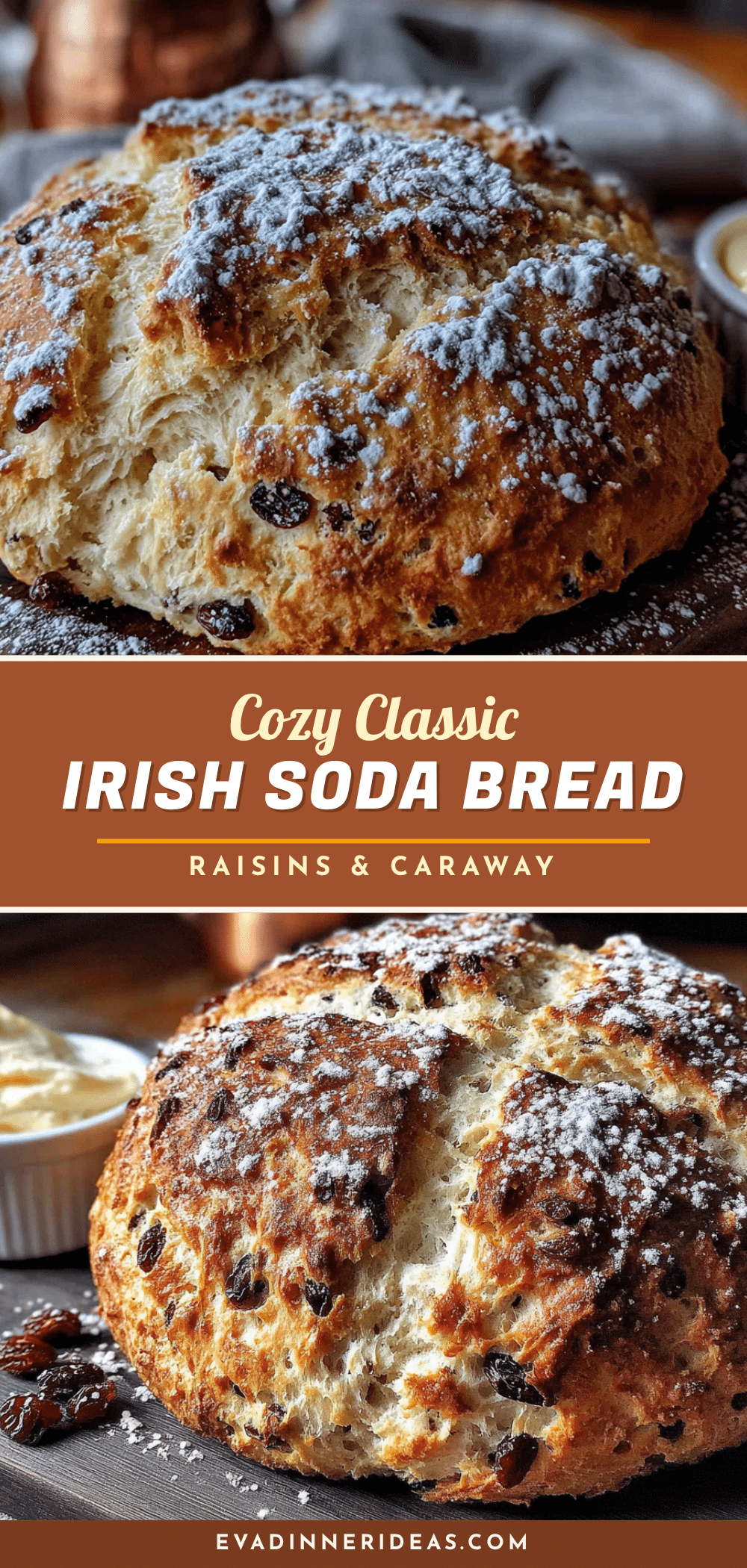
Easy Classic Irish Soda Bread with Raisins & Caraway

This classic Irish soda bread is quick and easy to make, with a tender crumb studded with sweet raisins and aromatic caraway seeds. Perfect for any occasion, it’s ready in under an hour and pairs beautifully with soup, jam, or a generous slab of butter.
- Prep Time: 10 minutes
- Cook Time: 35 to 45 minutes
- Total Time: 45 to 55 minutes
- Yield: 12 servings 1x
- Category: Bread
- Cuisine: Irish
Ingredients
- 4 cups (500g) all-purpose flour
- 3 tablespoons (38g) granulated sugar
- 1 teaspoon baking soda
- 1 teaspoon salt
- 4 tablespoons (57g) cold unsalted butter, cut into small cubes
- 1 ¾ cups (420ml) cold buttermilk
- 1 ½ tablespoons caraway seeds
- 1 cup (150g) raisins (mix of golden and dark)
- 1 tablespoon melted butter (optional, for brushing)
Instructions
- Preheat your oven to 425°F (220°C). Place a rack in the middle of the oven. Line a baking sheet with parchment paper.
- In a large mixing bowl, whisk together the all-purpose flour, sugar, baking soda, and salt until evenly distributed.
- Add the cold cubed butter to the flour mixture. Using a pastry blender or two forks, cut the butter into the flour until the mixture resembles coarse crumbs with some pea-sized butter pieces still visible.
- Stir in the caraway seeds and raisins until evenly distributed.
- Make a well in the center of the flour mixture. Pour in the cold buttermilk all at once. Stir with a wooden spoon or rubber spatula just until a shaggy, sticky dough forms. Do not overmix.
- Turn the dough out onto a lightly floured surface. With floured hands, gently shape it into a rough ball about 6 to 7 inches in diameter. Do not knead.
- Place the dough round on the prepared baking sheet. Using a sharp knife or bench scraper, cut a deep ‘X’ across the top, going about halfway down the sides.
- Bake for 35 to 45 minutes, until deep golden brown and the loaf sounds hollow when tapped on the bottom. Internal temperature should be around 190°F (88°C).
- Transfer the bread to a wire rack. If desired, brush with melted butter. Let cool for at least 20 to 30 minutes before slicing.
Notes
Do not overmix the dough; a few dry spots are fine. Use cold butter and buttermilk for a tender crumb. Score the bread deeply to allow for proper expansion. Let the bread cool completely before slicing to avoid a gummy texture.
Nutrition
- Serving Size: 1 slice
- Calories: 280
- Sugar: 14
- Sodium: 320
- Fat: 6
- Saturated Fat: 3
- Carbohydrates: 50
- Fiber: 2
- Protein: 6
Keywords: Irish soda bread, soda bread, raisin bread, caraway bread, quick bread, easy bread, no knead bread