It was 11:47 PM on a random Tuesday in January, and I had a very specific craving for something cozy but celebratory. I didn’t have a fancy cocktail kit or any of those trendy mixers you see online, but I had a bottle of red wine that was begging to be used, a pomegranate rolling around in the fruit bowl, and a half-gallon of apple cider from the weekend market. The idea just arrived—like a little lightbulb flickering on in the quiet of the night. I started throwing things together, not really measuring, just tasting and adjusting. Honestly, I was half-convinced I was just making a weird, sugary mess to sip while I scrolled my phone. But then I took that first sip, and I swear, I sat up straight in my chair. It was like winter had been poured into a glass, but in the best way possible. The tart pop of pomegranate seeds, the warm hug of apple cider, the subtle spice from a cinnamon stick I found buried in the back of the pantry—it all just worked.
You know that feeling when you stumble onto something so good, you almost get mad that you didn’t think of it sooner? That was this sangria for me. It wasn’t a recipe I’d been planning; it was a late-night kitchen experiment that paid off big time. I kept thinking, “This would absolutely kill at a dinner party.” And that’s the thing—what started as a solo, slightly impulsive creation turned into the drink I now bring to every winter gathering. It’s the kind of punch that makes people stop, look at their glass, and ask, “Wait, what’s in this?” It’s impressive without being pretentious, and it comes together with way less effort than you’d think.
This winter sangria recipe isn’t just a drink; it’s a moment. It’s the thing you can prep before your guests arrive, letting the flavors mingle while you focus on the main course. It’s the centerpiece of a holiday table or the warm welcome on a cold, snowy night. I keep coming back to this recipe because it delivers every single time—no fancy skills required, just a little bit of faith in a late-night idea. Let me tell you, this one is a keeper.
Why You’ll Love This Winter Sangria Recipe
I’ve tested this winter sangria more times than I care to admit—at friends’ holiday parties, after a long day of Christmas shopping, and even as a “Sunday reset” sipper. It has never let me down. Here’s why this recipe is different from every other sangria recipe you’ll find online.
- Quick & Easy: This comes together in about 10 minutes of active prep time. The hardest part is slicing the fruit, and honestly, that’s not hard at all.
- Simple Ingredients: No need to hunt down obscure liqueurs or specialty syrups. You can find everything at your regular grocery store—red wine, apple cider, pomegranate juice, and fresh fruit.
- Perfect for Hosting: This is a host’s best friend. You can make it in a big pitcher or punch bowl hours before your guests arrive, and it only gets better as it sits. It’s the ultimate hands-off party drink.
- Crowd-Pleaser: I’ve watched red wine lovers and “I don’t really drink wine” people both go back for seconds. The apple cider and pomegranate juice mellow out the wine, making it incredibly approachable.
- Unbelievably Delicious: The combination of tart pomegranate, sweet apple cider, and warm winter spices is next-level. It’s cozy and refreshing at the same time—a balancing act that’s surprisingly hard to nail.
What makes this winter sangria my “best version” is the technique of letting the fruit soak overnight. Most sangria recipes tell you to serve it right away, but I’ve learned that patience is the secret. When you let the pomegranate seeds and apple slices sit in the wine and cider for at least 4 hours (or overnight), they absorb all that spiced goodness. The fruit becomes almost candy-like, and the liquid gets this incredible depth of flavor that you just can’t achieve with a quick stir.
This recipe isn’t just good—it’s the kind of drink that makes you close your eyes after the first sip. It’s winter comfort in a glass, reimagined as something you’d serve to guests without any stress. Perfect for impressing your friends at a holiday gathering or turning a simple Tuesday night into something a little more memorable.
What Ingredients You Will Need
This winter sangria uses simple, wholesome ingredients to deliver bold, festive flavor without any fuss. Most of these are pantry staples during the colder months, which makes this recipe incredibly easy to whip up on a whim.
For the Sangria Base
- 1 bottle (750 ml) dry red wine: I recommend a medium-bodied red like Merlot, Zinfandel, or a Spanish Tempranillo. You don’t need anything expensive—a $10 bottle works beautifully. The fruit and spices will do the heavy lifting. Avoid anything too tannic or oaky, like a heavy Cabernet Sauvignon, as it can clash with the sweetness.
- 2 cups (480 ml) apple cider: Not apple juice. Apple cider has a richer, more complex flavor with hints of spice that are perfect for this recipe. Look for unfiltered cider if you can find it—it has more body. (I’m partial to Martinelli’s or a local orchard brand.)
- 1 cup (240 ml) 100% pomegranate juice: This adds a gorgeous deep red color and a tartness that balances the sweetness of the cider. POM Wonderful is my go-to, but any pure pomegranate juice works. Avoid blends that contain added sugar or other juices.
- 1/4 cup (60 ml) brandy or orange liqueur (optional): This gives the sangria a little kick and helps preserve the fruit. I use brandy for a warmer, more traditional flavor, but Grand Marnier or Cointreau adds a lovely citrus note. You can skip it if you want a lower-alcohol version.
- 2-3 tablespoons maple syrup or honey: This is optional, depending on how sweet you like your sangria and how sweet your apple cider is. Start with 1 tablespoon, taste, and adjust. I usually add 2 tablespoons of maple syrup for a subtle, earthy sweetness that pairs beautifully with the winter spices.
For the Fruit & Spices
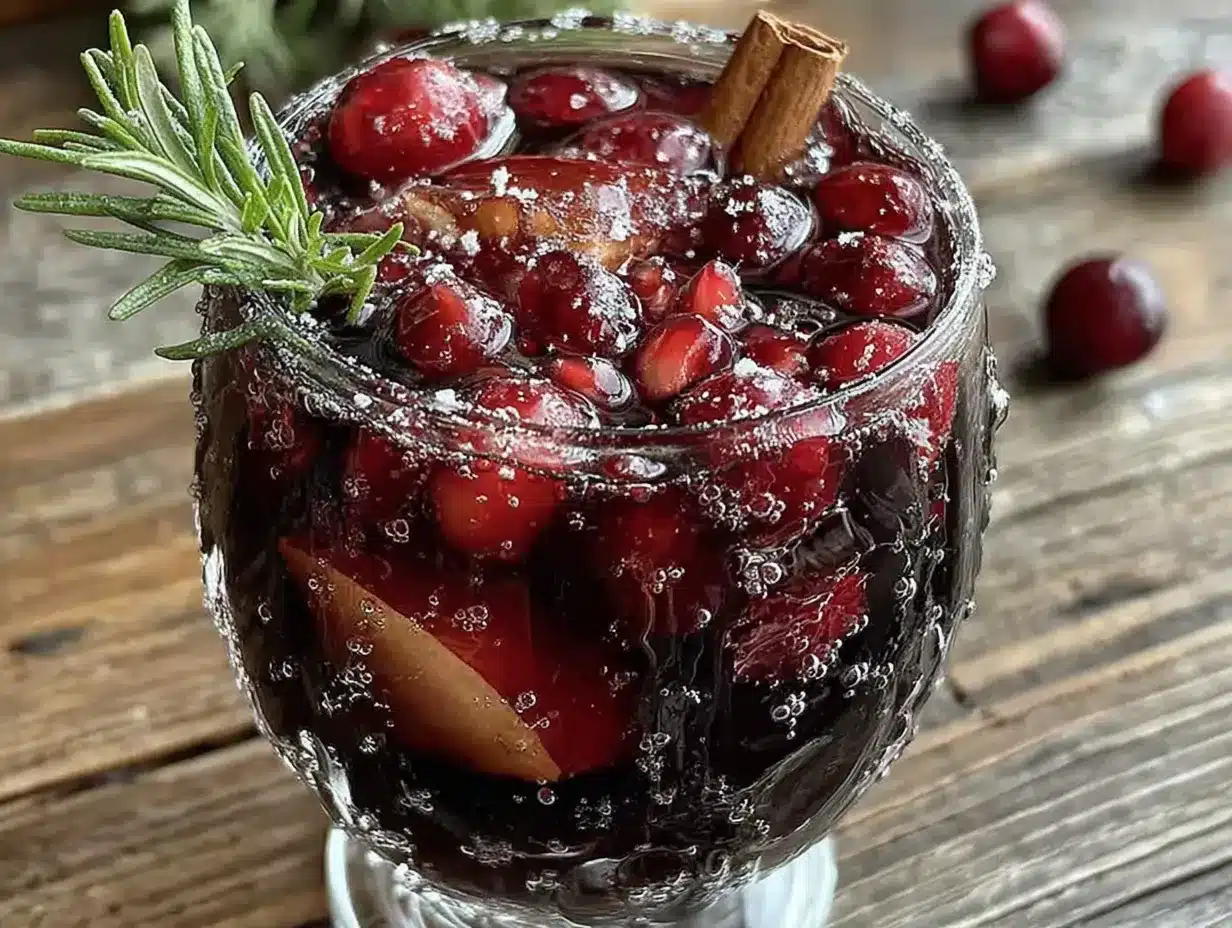
- 1 large pomegranate: You’ll use the arils (the little red seeds) for both flavor and a stunning visual pop. To seed a pomegranate without making a mess, cut it in half, hold it cut-side down over a bowl, and whack the back with a wooden spoon. The seeds fall right out! (Pro tip: wear an apron—those seeds can stain.)
- 2 medium apples: I prefer Honeycrisp or Fuji for their sweetness and crunch, but Granny Smith works if you want a tarter bite. Core them and slice them into thin rounds or half-moons so they’re easy to eat.
- 1 large orange: Wash it well and slice it into thin rounds. You can leave the peel on—it adds a lovely citrus oil flavor to the sangria as it sits.
- 2 cinnamon sticks: These are non-negotiable for that cozy winter aroma. They infuse the sangria with warmth without being overpowering.
- 3-4 whole star anise: This adds a subtle licorice-like note that makes the sangria taste incredibly sophisticated. It’s a small touch that makes a big impression.
- Fresh rosemary sprigs (for garnish): Optional, but highly recommended. The piney aroma of rosemary is surprisingly good with apple and pomegranate. It also makes the pitcher look gorgeous on a holiday table.
Ingredient Selection Tips
For the best results, use fresh, in-season fruit. Pomegranates are at their peak from September through February, which makes this a perfect winter recipe. If you’re in a pinch, you can use pre-seeded pomegranate arils from the produce section—just make sure they look plump and vibrant, not shriveled.
For the apple cider, I strongly recommend getting it from a local orchard or farmers’ market if you can. The flavor is noticeably brighter and more complex than the shelf-stable stuff. If you only have apple juice, add a pinch of ground cinnamon and nutmeg to the mix to mimic that spiced cider flavor.
Equipment Needed
The beauty of this winter sangria recipe is that you don’t need any fancy equipment. Here’s what you’ll need:
- A large pitcher or punch bowl: A 2-quart (2-liter) pitcher works perfectly. I use a glass pitcher with a lid, which makes it easy to stir and refrigerate. If you’re serving a crowd, a punch bowl with a ladle is ideal.
- A sharp knife and cutting board: For slicing the apples and oranges. A good, sharp knife makes all the difference in getting clean, even slices.
- A wooden spoon or long-handled stirrer: For mixing everything together without crushing the fruit.
- A measuring cup and measuring spoons: For accurate measurements, especially for the juice and sweetener.
- A small bowl: For seeding the pomegranate over, to catch any stray juice.
- Wine glasses or tumblers: I prefer large red wine glasses or stemless tumblers for serving. You want something that can hold the liquid and a generous amount of fruit.
No need to run out and buy anything special. I’ve made this in a repurposed mason jar (for a single serving) and even a large water pitcher in a pinch. It’s a forgiving recipe that doesn’t require precision equipment.
Preparation Method
Making this winter sangria is almost laughably easy, but the results are anything but basic. Follow these steps, and you’ll have a show-stopping drink that looks like you spent hours on it.
- Prep the fruit (5 minutes): Start by seeding the pomegranate. Cut it in half, hold it cut-side down over a bowl, and tap the back firmly with a wooden spoon. The seeds will rain down. Pick out any white pith that falls in. Next, core the apples and slice them into thin rounds (about 1/4-inch thick). Slice the orange into thin rounds as well. You want the slices thin enough that they’ll release their flavor but sturdy enough that they won’t disintegrate.
- Combine the liquids (2 minutes): In your large pitcher, pour in the entire bottle of red wine, the apple cider, and the pomegranate juice. If you’re using brandy or orange liqueur, add it now. Give it a gentle stir with your wooden spoon to combine.
- Add the sweetener (1 minute): Drizzle in 2 tablespoons of maple syrup or honey. Stir well, then taste. If you want it sweeter, add another tablespoon. Remember, the fruit will also release some sweetness as it sits, so err on the side of less sweet to start. You can always add more later.
- Add the fruit and spices (2 minutes): Gently drop in the pomegranate seeds, apple slices, and orange slices. Add the cinnamon sticks and star anise. Give everything a gentle stir to distribute the fruit and spices evenly. Don’t stir too aggressively—you don’t want to break up the apple slices.
- Chill and infuse (minimum 4 hours, ideally overnight): This is the most important step. Cover the pitcher and place it in the refrigerator. Let the sangria sit for at least 4 hours to allow the flavors to meld. For the best results, let it sit overnight (8-12 hours). The fruit will absorb the wine and become deliciously boozy, and the liquid will take on the warm notes of the cinnamon and star anise. I know it’s tempting to serve it right away, but trust me—patience pays off here.
- Serve (2 minutes): When you’re ready to serve, give the pitcher one last gentle stir. Fill each glass about halfway with the sangria, then use a slotted spoon to add a generous scoop of the macerated fruit. You want each glass to have a few pomegranate seeds, a slice or two of apple, and a slice of orange. Garnish with a fresh rosemary sprig for that “wow” factor, if you like.
- Add ice (optional): I recommend serving this sangria slightly chilled but without ice, as ice will water it down over time. If you want it colder, chill the glasses beforehand. If you must use ice, use large cubes or an ice ring made from apple cider so it doesn’t dilute the flavor.
Troubleshooting note: If your sangria tastes a little sharp or acidic, it likely needs more time to sit. The fruit and spices need time to mellow out the wine. If you’re short on time, add an extra tablespoon of maple syrup to balance it. If it tastes too sweet, add a squeeze of fresh lemon juice to brighten it up.
Cooking Tips & Techniques
After making this winter sangria about a dozen times in the past two months (it’s a problem, I know), I’ve picked up a few tricks that make a real difference.
Choose the right wine. I learned this one the hard way. The first time I made this, I used a cheap bottle of Cabernet Sauvignon I had lying around. It was so tannic and dry that the sangria tasted like bitter grape juice, even after sitting overnight. Stick with a fruity, medium-bodied red like a Merlot, Zinfandel, or Garnacha. These wines have natural fruit flavors that complement the apple cider and pomegranate instead of fighting them.
Don’t skip the star anise. I almost did the first time because I thought it would be too “licorice-y.” But star anise adds this incredible, subtle warmth that makes the sangria taste like it’s been simmering on the stove with mulling spices. It’s not overpowering at all—it just adds a layer of complexity that makes people say, “What is that flavor? It’s amazing.”
Make it a day ahead. This is my number one tip for hosts. This sangria is actually better on day two. The fruit gets softer and more infused, the spices mellow out, and everything comes together into a perfectly balanced drink. Make it the morning of your party, or even the night before. It’s one less thing to worry about when your guests arrive.
Use a slotted spoon for serving. This seems obvious, but I’ve seen people just pour the sangria straight from the pitcher, and they end up with mostly liquid and no fruit. Use a slotted spoon to scoop the fruit into each glass first, then pour the liquid over it. Every glass should look like a little winter garden.
Scale it up easily. For a big party, I double or triple this recipe and make it in a large punch bowl. I freeze a ring of apple cider (with a few pomegranate seeds and rosemary sprigs frozen inside) to keep it cold without diluting it. It looks stunning and works perfectly.
Variations & Adaptations
One of the best things about this winter sangria recipe is how adaptable it is. Here are a few variations I’ve tried and loved.
White Winter Sangria
If you prefer white wine, swap the red for a dry, oaked Chardonnay or a crisp Sauvignon Blanc. The apple cider and pomegranate juice still work beautifully, but the flavor is lighter and a bit more refreshing. I’d skip the star anise and add a few sprigs of fresh thyme instead for a more herbal note.
Non-Alcoholic Version
This is perfect for guests who don’t drink or for a family-friendly gathering. Replace the red wine with a strong, unsweetened pomegranate-cranberry juice or a non-alcoholic red wine alternative. Add an extra cup of apple cider to make up the volume. The spices and fruit do all the work, so no one will miss the alcohol.
Spiced Mulled Sangria
For an even cozier version, gently warm the sangria (without the fruit) in a pot on the stove with the cinnamon sticks and star anise for 10 minutes before adding the fruit and chilling. This extracts even more flavor from the spices and gives the sangria a mulled wine character. Let it cool completely before refrigerating.
Citrus-Berry Twist
In late winter, when pomegranates start to disappear, swap the pomegranate seeds for fresh or frozen cranberries and add an extra orange sliced into rounds. The cranberries add a beautiful tartness and look gorgeous floating in the pitcher. You might need an extra tablespoon of maple syrup to balance the tartness.
Serving & Storage Suggestions
This winter sangria is best served cold, but not ice-cold. I like to take it out of the fridge about 15 minutes before serving to let it warm up just slightly—the flavors open up more when it’s not freezing.
Presentation: For a dinner party, I serve this in a clear glass pitcher so everyone can see the beautiful layers of fruit and spices. I float a few fresh rosemary sprigs on top and sometimes add a cinnamon stick to each glass as a stirrer. If I’m feeling fancy, I’ll rim the glasses with a mixture of sugar and a pinch of cinnamon.
What to serve alongside: This sangria pairs beautifully with a cheese board featuring sharp cheddar, brie, and blue cheese. It’s also fantastic with roasted pork, spiced chicken, or a hearty winter salad with apples and walnuts. For dessert, it’s perfect with dark chocolate or a simple apple tart.
Storage: This sangria will keep in the refrigerator for up to 3 days. The fruit will continue to soften and absorb the liquid, which is totally fine—it just becomes more like a boozy fruit compote. I actually love eating the leftover fruit with a spoon the next day. (Don’t judge me.)
Reheating: This is not a drink you reheat, but if you have leftovers and want to try something different, strain out the fruit and spices, then gently warm the liquid on the stove for a quick mulled wine. It’s a great way to use up the last of the batch.
Nutritional Information & Benefits
While this is a cocktail and not a health drink, it does have some redeeming qualities. A standard 6-ounce serving (with fruit) contains approximately 180-220 calories, depending on the wine and sweetener you use. The pomegranate seeds are packed with antioxidants and vitamin C, and the apple cider provides a small amount of fiber and vitamin C as well. The cinnamon has anti-inflammatory properties and can help regulate blood sugar.
Dietary considerations: This recipe is naturally vegan and dairy-free. To make it gluten-free, just double-check your brandy or orange liqueur (most are gluten-free, but it’s worth confirming). The sugar content is moderate, but you can reduce it by using less maple syrup or choosing a drier wine.
I’m not a nutritionist, but I feel good about serving this to guests because it uses real, whole ingredients instead of artificial syrups or processed mixers. It’s a treat, for sure, but one that’s made with love and actual fruit.
Conclusion
This winter sangria recipe is one of those rare finds that’s equal parts impressive and effortless. It started as a late-night experiment born from a random craving, and now it’s the drink I turn to for every winter gathering. It’s the kind of recipe that makes you look like a hosting pro without actually doing much work—and honestly, isn’t that the dream?
I encourage you to make this your own. Swap the fruit based on what looks good at the market, adjust the sweetness to your taste, or try one of the variations I mentioned. The base recipe is solid, but the best part of cooking (and drinking) is making it personal.
I’d love to hear how this turns out for you. Did you serve it at a holiday party? Did you add your own twist? Drop a comment below and let me know—I read every single one. And if you loved it, please share this recipe with a friend who needs a little winter cheer. Cheers, friends. Here’s to cozy nights and good company.
Frequently Asked Questions
Can I make this winter sangria ahead of time?
Absolutely. In fact, I highly recommend it. Make it the night before your event and let it sit in the refrigerator overnight. The flavors will be much more developed and harmonious.
What’s the best wine for winter sangria?
A medium-bodied red wine like Merlot, Zinfandel, or Garnacha works best. Avoid very tannic wines like Cabernet Sauvignon or very light wines like Pinot Noir. You want something fruity and smooth.
Can I use apple juice instead of apple cider?
You can, but the flavor won’t be as rich or complex. Apple juice is thinner and sweeter than cider. If you use juice, add a pinch of ground cinnamon and nutmeg to mimic the spiced flavor of cider.
How long does the fruit stay good in the sangria?
The fruit will stay good for about 3 days in the refrigerator. It will continue to soften and absorb the liquid, becoming almost like a boozy fruit compote. It’s still delicious, just different in texture.
Can I freeze winter sangria?
I don’t recommend freezing the finished sangria, as the texture of the fruit and wine will be affected. However, you can freeze the apple cider in an ice ring to keep the sangria cold without diluting it.
Pin This Recipe!
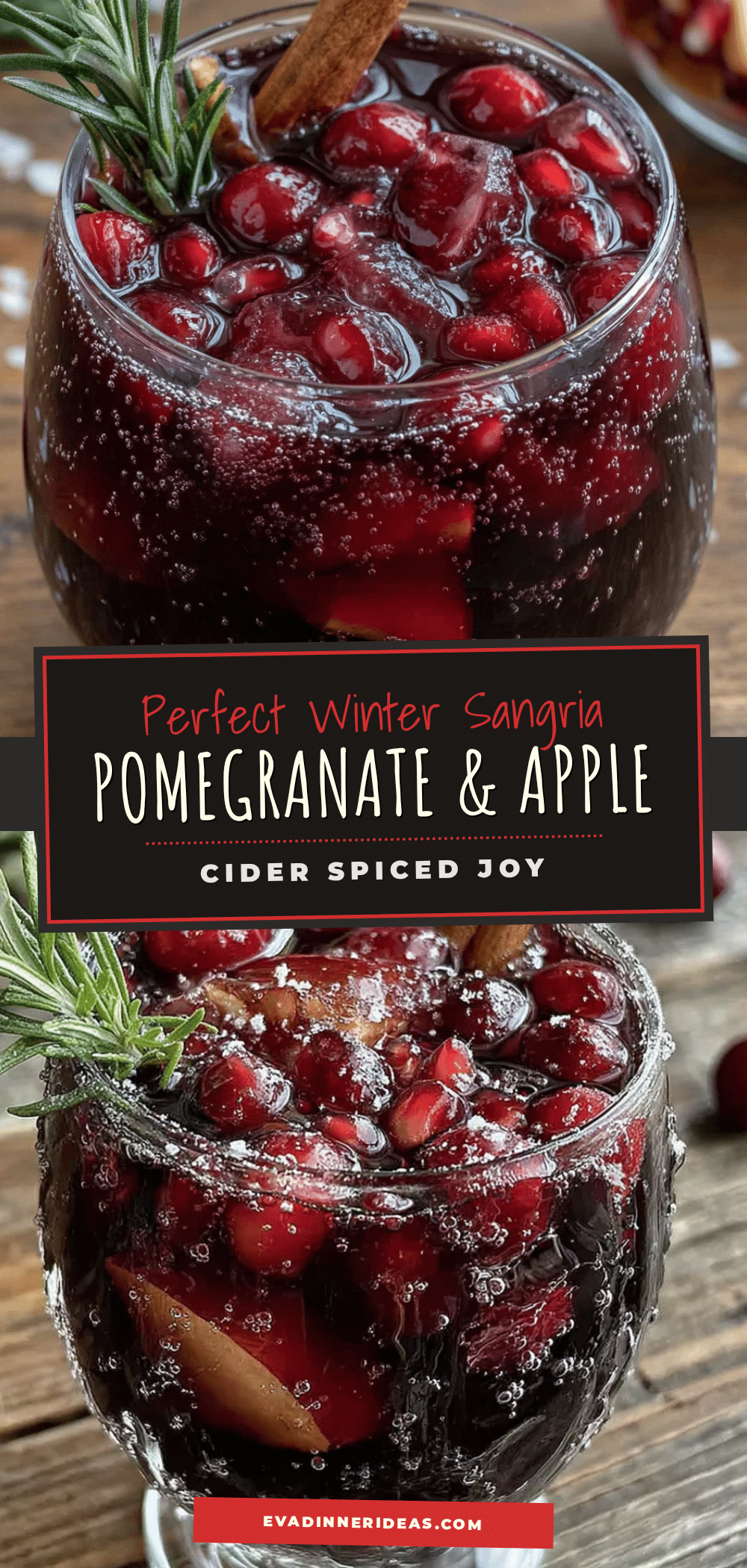
Winter Sangria Recipe with Pomegranate and Apple Cider
A cozy and celebratory winter sangria made with red wine, apple cider, pomegranate juice, and warm spices. Perfect for holiday gatherings or a quiet night in, this easy recipe comes together in minutes and only gets better as it sits.
- Prep Time: 10 minutes
- Cook Time: 0 minutes
- Total Time: 4 hours 10 minutes (minimum chilling time)
- Yield: 6 servings 1x
- Category: Beverage
- Cuisine: American
Ingredients
- 1 bottle (750 ml) dry red wine (Merlot, Zinfandel, or Tempranillo)
- 2 cups (480 ml) apple cider
- 1 cup (240 ml) 100% pomegranate juice
- 1/4 cup (60 ml) brandy or orange liqueur (optional)
- 2–3 tablespoons maple syrup or honey
- 1 large pomegranate (seeded)
- 2 medium apples (Honeycrisp or Fuji, sliced into thin rounds)
- 1 large orange (sliced into thin rounds)
- 2 cinnamon sticks
- 3–4 whole star anise
- Fresh rosemary sprigs (for garnish, optional)
Instructions
- Seed the pomegranate: cut in half, hold cut-side down over a bowl, and tap the back firmly with a wooden spoon. Core the apples and slice into thin rounds (about 1/4-inch thick). Slice the orange into thin rounds.
- In a large pitcher, combine the red wine, apple cider, pomegranate juice, and brandy or orange liqueur (if using). Stir gently.
- Drizzle in 2 tablespoons of maple syrup or honey. Stir well, taste, and add more if desired.
- Add the pomegranate seeds, apple slices, orange slices, cinnamon sticks, and star anise. Stir gently to distribute.
- Cover the pitcher and refrigerate for at least 4 hours, ideally overnight (8-12 hours), to allow flavors to meld.
- When ready to serve, stir gently. Fill each glass halfway with sangria, then use a slotted spoon to add a generous scoop of macerated fruit. Garnish with a fresh rosemary sprig if desired.
- Serve slightly chilled. Avoid adding ice to prevent dilution; if desired, chill glasses beforehand or use an ice ring made from apple cider.
Notes
For best results, let the sangria sit overnight. The fruit absorbs the wine and becomes deliciously boozy, and the liquid develops depth. If the sangria tastes sharp, let it sit longer or add a touch more maple syrup. If too sweet, add a squeeze of fresh lemon juice. Use a slotted spoon to serve fruit with each glass.
Nutrition
- Serving Size: 6 ounces (with fruit
- Calories: 200
- Sugar: 22
- Sodium: 10
- Carbohydrates: 28
- Fiber: 2
- Protein: 1
Keywords: winter sangria, pomegranate sangria, apple cider sangria, holiday punch, red wine sangria, easy cocktail, party drink